Buying dates in Medina: Ajwa, prices, and how not to be sold Safawi
If the Ajwa is much cheaper than everything around it, it is not Ajwa.
Dates are what people take home from Medina, and the city takes them seriously: the Central Date Market, walking distance from the Prophet’s Mosque, carries well over a hundred varieties across dozens of stalls, and the owners will press samples into your hand faster than you can eat them.
Ajwa, and why it is different
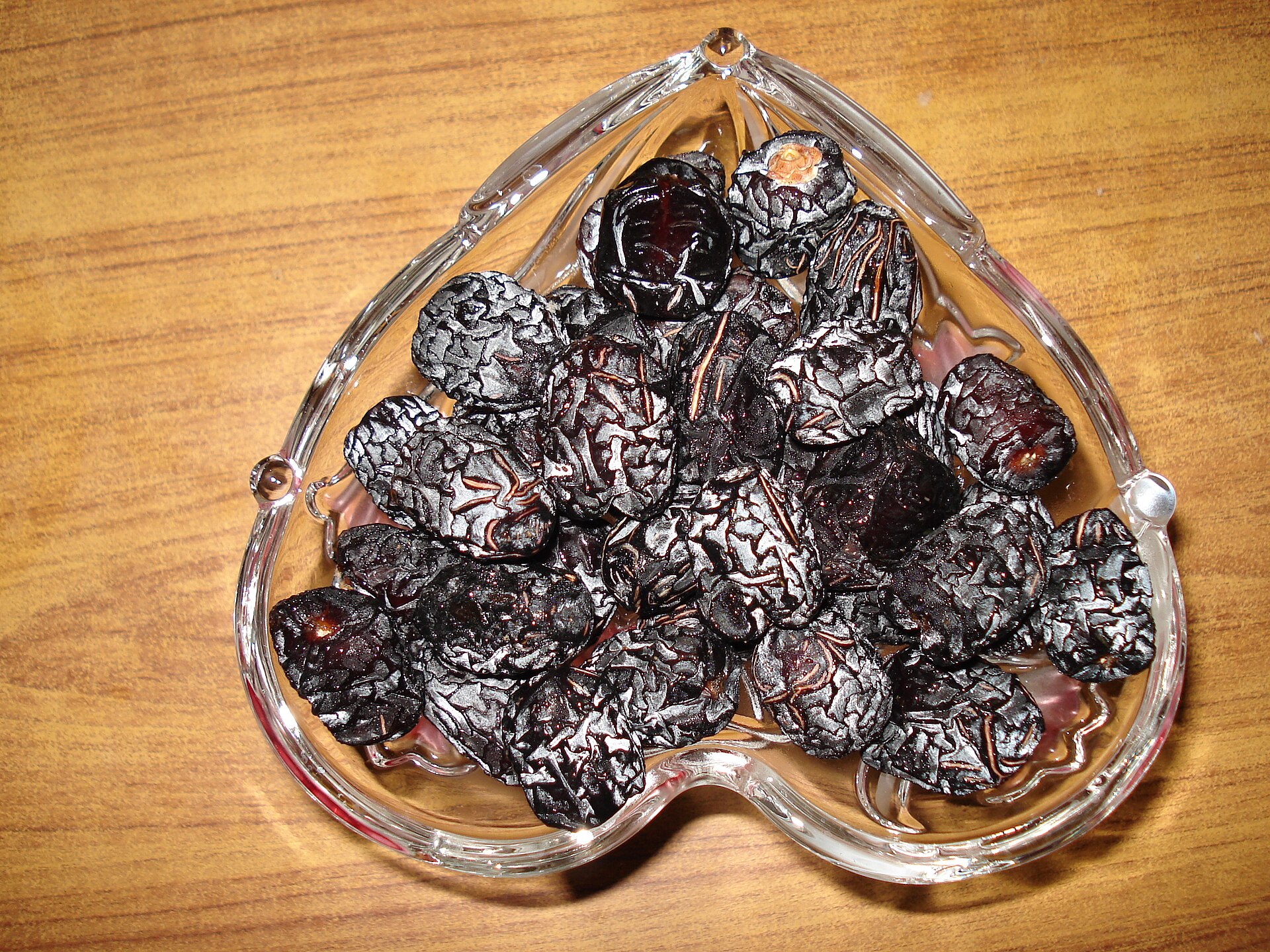
Ajwa is grown in the Medina region and effectively nowhere else, which is most of why it costs what it does. It is small, very dark, soft, and much less sweet than people expect — closer to a dried fig than to the sticky supermarket date. It appears in a number of hadith, and for many visitors buying it is as much an act of remembrance as a purchase.
The substitution to watch for is Safawi: another dark Medina date, also good, also worth buying — and considerably cheaper. Sold honestly as Safawi it is a bargain. Sold as Ajwa it is a swindle, and the tell is almost always the price. If one stall is a third under the four around it, that is why.
The others worth knowing
Sukkari is the crowd-pleaser: pale golden, crisp or soft depending on grade, and as sweet as the name suggests — the one to buy for children. Khalas is amber and caramel-flavoured, the everyday date most Saudi households actually keep. Medjool is the large, glossy one familiar from abroad, mostly grown outside the Kingdom, and there is little reason to buy it here. Anbara is the expensive one: very large, dense, and priced accordingly.
What to pay, and where
A broad range is 40 to 120 riyals a kilo depending on variety and grade, with Ajwa and Anbara at the upper end and Sukkari and Khalas well below. Prices climb in Ramadan and through the Hajj season. Grade matters as much as variety — the same name covers a wide span of quality, which is why the sample matters.
Taste before you buy; nobody will mind, and refusing to let you is itself an answer. Buy loose from the market rather than pre-boxed near the Haram if price matters, and boxed if the dates are a gift and need to survive a suitcase. Vacuum packing is offered at most stalls and is worth the extra few riyals for anything soft.