The martyrs of Uhud: visiting the cemetery at the foot of the mountain
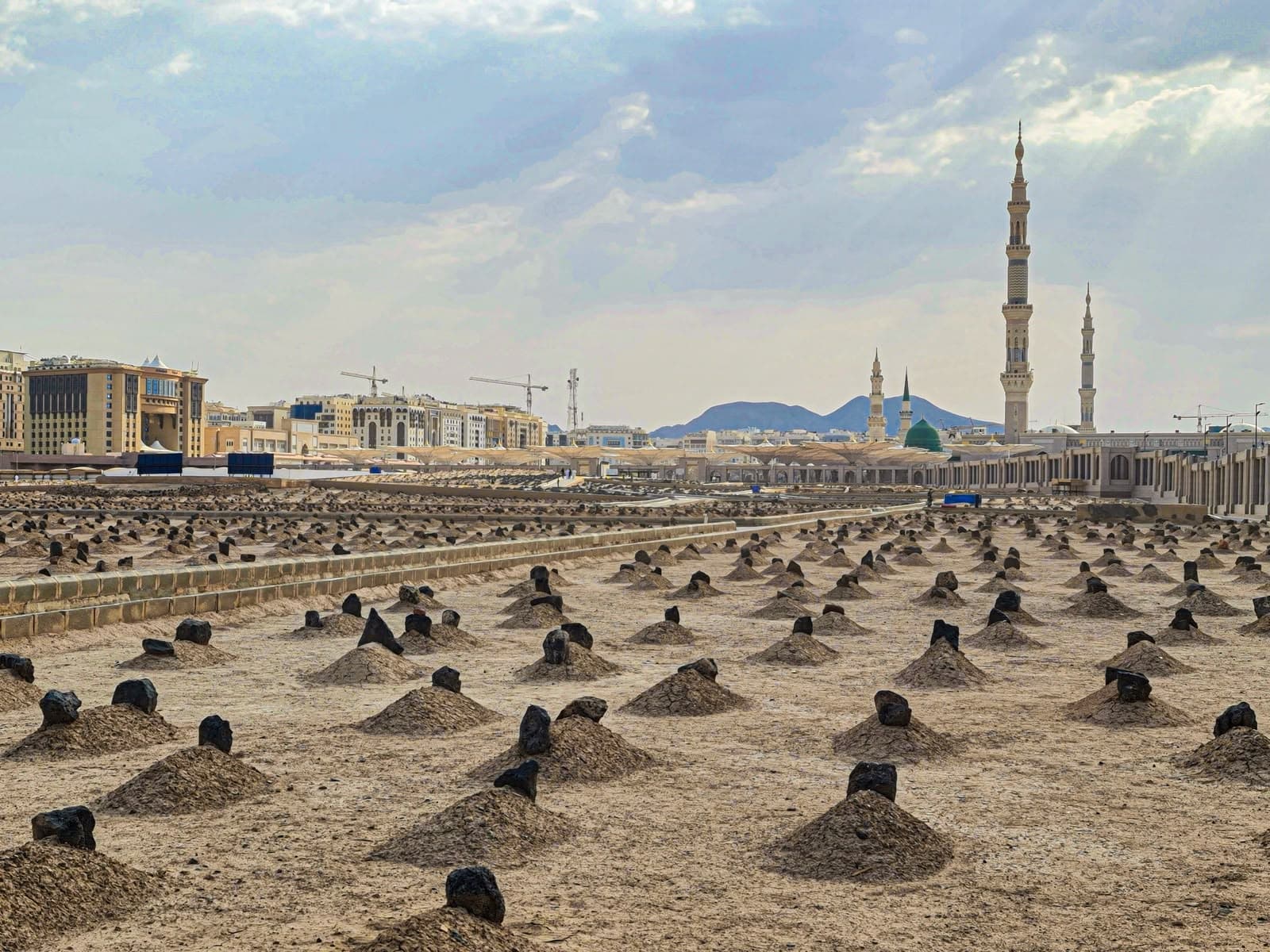
A low wall, level ground, no structures. The plainness is deliberate and it is worth understanding before you arrive.
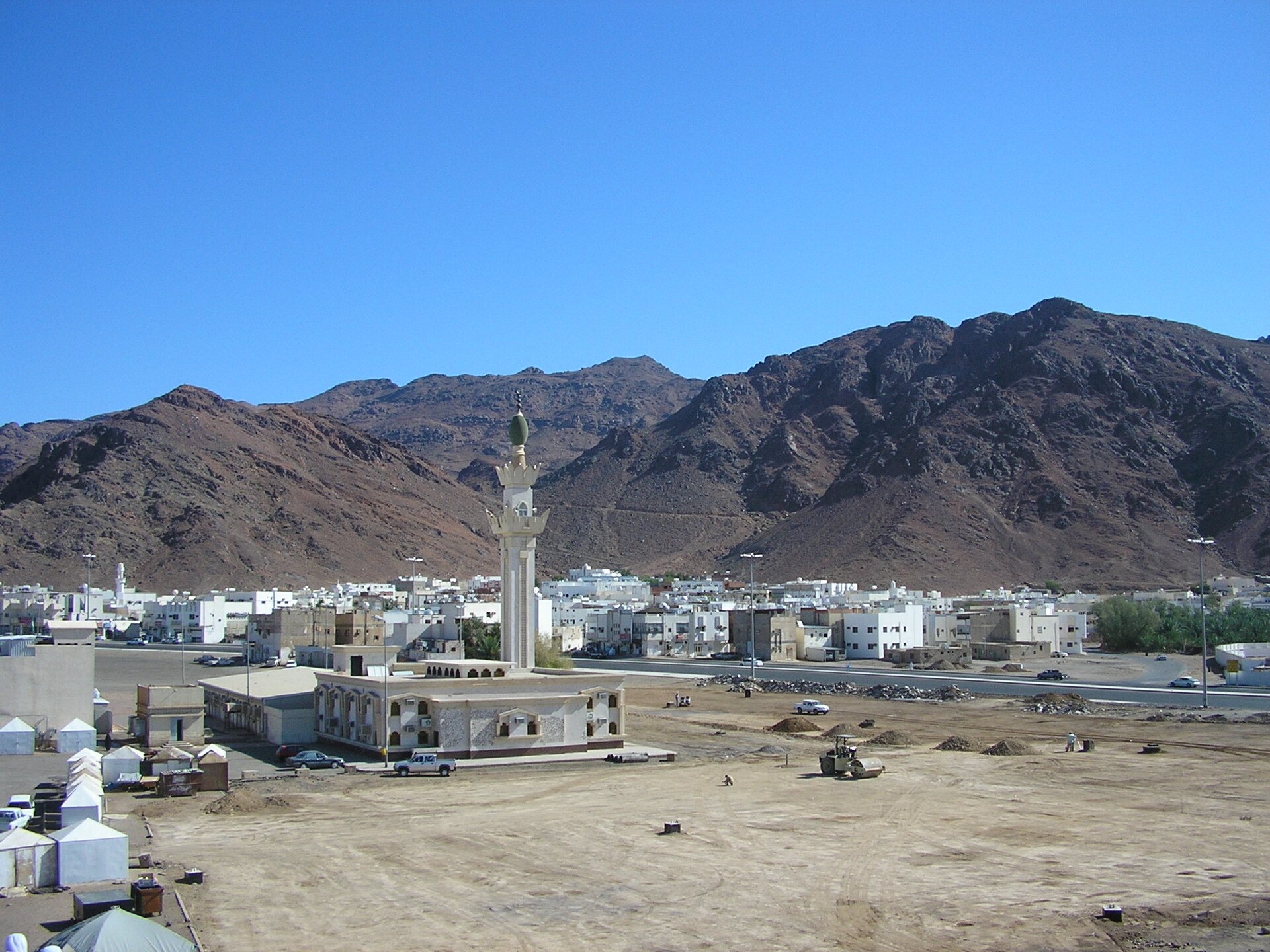
At the southern foot of Mount Uhud, about five kilometres north of the Prophet’s Mosque, is the burial ground of those killed in the Battle of Uhud in the year 3 after the hijra. Around seventy companions are buried there, in the ground where the fighting happened.
The best known is Hamza ibn Abd al-Muttalib, the Prophet’s uncle, killed that day. A mosque named for the martyrs stands nearby and there is a large open area for the crowds that arrive at weekends and through the umrah season.
What the site looks like
Enclosed, level, and almost entirely unadorned. The graves are marked but there is no shrine, no dome, no structure built over them. This is how burial sites are maintained across the Kingdom, and visitors who have seen mausolea elsewhere in the Muslim world sometimes arrive expecting something quite different.
Saying so in advance is not a criticism of either practice. It is so that nobody spends their visit looking for a building that was never there and misses the ground itself, which is the whole of what there is to see.
How people behave here
Visitors greet the dead, make du’a for them, and move on. That is the whole of it. The prophetic practice of visiting graves is to remember death and to pray for those buried, not to ask anything of them.
Practically: keep to the paths, do not climb the enclosure wall, and be conscious that this is a burial ground rather than a viewpoint. Photography of the graves is discouraged and at busy times you may be asked to move along. Dress as you would for a mosque.
Going with the battle in mind
The cemetery makes far more sense after you have stood on the Archers’ Hill opposite and seen how the ground works — how short the distance is, and how the cavalry got behind the Muslim line once the hill was left. Do the hill first, then the graves. In that order the site stops being a stop on a list.